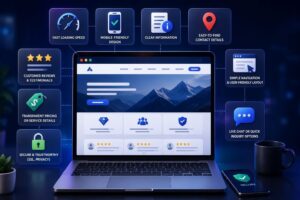

In the connected world of online business, trust is built not just through design or user experience, but through how safely customer data is handled. The foundation of that trust often lies in web app development, where the smallest security mistake can expose an entire business to cyber threats. From startups to large enterprises, every business owner must understand that security isn’t just an IT responsibility; it’s a brand promise. Protecting users’ data, transactions, and privacy has become as important as offering a great product or service.
Why Web App Security Is a Business Priority
Cyberattacks are no longer rare events; they’re a daily reality. Every few seconds, a website or application somewhere in the world faces a hacking attempt. These attacks can cause devastating financial losses, damage brand reputation, and result in regulatory penalties. For many small and medium businesses, even a single breach can destroy years of hard-earned trust.
Modern users are more aware than ever. They expect their information to be safe when they sign up, make a purchase, or store personal data online. Businesses that take proactive steps to secure their web applications send a strong signal that they value security as much as customer satisfaction.
1. Use HTTPS Everywhere
One of the simplest yet most powerful ways to secure a web application is by using HTTPS. It encrypts the communication between the user’s browser and the server, making it nearly impossible for attackers to intercept sensitive information.
A valid SSL/TLS certificate not only keeps data safe but also builds customer confidence. Browsers like Chrome and Firefox mark non-HTTPS sites as “Not Secure,” which can scare away users instantly. For businesses, implementing HTTPS across all pages isn’t optional anymore; it’s essential.
2. Keep Software and Frameworks Updated
Hackers often exploit vulnerabilities in outdated software, plugins, or frameworks. Regular updates close these gaps before they can be used for attacks. Whether you’re using Node.js, Laravel, Django, or React, staying on the latest stable version ensures you’re protected from known security flaws.
Business owners should make it a routine to review and update all dependencies. Automating security patches or using vulnerability scanners can also help identify risks before they turn into real threats.
3. Implement Strong Authentication and Authorization
Authentication verifies who a user is, while authorization determines what they can access. Weak or poorly configured systems for either can lead to serious data breaches. Two-factor authentication (2FA) is one of the best ways to enhance login security. It requires users to confirm their identity through a second method, such as a one-time code sent to their phone.
Equally important is role-based access control (RBAC). Not every employee or user should have access to all parts of your system. By assigning roles and permissions carefully, you reduce the potential damage if a user account is compromised.
4. Protect Against SQL Injection and XSS Attacks
SQL Injection and Cross-Site Scripting (XSS) are two of the most common web vulnerabilities. They occur when user input is not properly validated or sanitized, allowing hackers to inject malicious code into your database or front end.
To prevent these attacks, developers should use parameterized queries and prepared statements instead of directly inserting user data into SQL queries. For XSS protection, ensure that all inputs and outputs are properly escaped, and avoid executing user-generated content without verification.
Security-focused frameworks and libraries often have built-in protection against these attacks, but only if they’re properly configured.
5. Encrypt Sensitive Data
Even if attackers manage to breach your defenses, encryption can make the stolen data useless. Sensitive information like passwords, payment details, or personal identifiers should never be stored in plain text.
Use strong encryption algorithms like AES (Advanced Encryption Standard) for data storage and HTTPS for data transmission. Additionally, apply hashing with salt for passwords using algorithms like bcrypt or Argon2 to ensure that even if your database is exposed, the data remains unreadable.
6. Regularly Perform Security Audits and Penetration Tests
Preventing breaches is easier when you identify weaknesses before attackers do. Conducting regular security audits and penetration tests helps uncover potential vulnerabilities in your web application.
Security audits assess code quality, server configurations, and data handling practices. Penetration testing simulates real-world attacks to test how well your defenses hold up. Together, they form a proactive approach to security, allowing businesses to strengthen weak spots before they’re exploited.
For most businesses, partnering with experienced cybersecurity professionals ensures more thorough testing and reliable solutions.
7. Secure APIs and Third-Party Integrations
Most modern web applications rely on APIs (Application Programming Interfaces) for data exchange and third-party integrations. While APIs enhance functionality, they also create new security entry points.
To protect them, always use authentication mechanisms like OAuth 2.0, validate incoming requests, and avoid exposing unnecessary endpoints. Limit data exposure by following the principle of least privilege, giving each integration access only to what it truly needs.
Business owners should also review and monitor all third-party services. An insecure plugin or external tool can become a backdoor for hackers.
8. Implement Proper Session Management
Session management plays a crucial role in maintaining user identity and activity across a web app. If not implemented correctly, it can lead to session hijacking or impersonation attacks.
Always use secure session tokens, store them server-side, and set short expiration times for inactive sessions. Avoid storing session identifiers in URLs or client-side cookies without encryption. Logging users out automatically after inactivity further reduces potential risks.
9. Monitor and Log Activity
Security doesn’t end after deployment. Continuous monitoring of app activity helps detect suspicious behavior in real time. Logging login attempts, API calls, and data access events can provide valuable insights into potential threats.
Anomalies like multiple failed login attempts or unusual data requests may signal brute-force or automated attacks. Setting up alerts for such activities allows teams to respond quickly before damage occurs.
Centralized logging tools and dashboards make it easier to track activity across servers and services. For growing businesses, this becomes an invaluable part of maintaining long-term security and compliance.
10. Educate Your Team and Users
Technology alone isn’t enough to ensure safety. Employees and users are often the weakest link in cybersecurity. Regularly training your team on best practices such as recognizing phishing emails, creating strong passwords, and handling sensitive data responsibly can dramatically reduce risks.
Educating your customers also helps. Encourage them to update passwords regularly, enable two-factor authentication, and be cautious of suspicious links or emails pretending to be from your brand.
A culture of security awareness builds an additional layer of defense that no software can replace.
Conclusion
In the modern digital landscape, security is no longer optional, it’s essential for survival. Every click, transaction, and login is built on trust, and that trust depends on how well your web application is protected. Businesses that treat security as a continuous process, not a one-time task, are the ones that win long-term loyalty from their customers.
At Expando, we believe that security and innovation go hand in hand. By combining strong security practices with seamless performance, we help businesses deliver digital experiences that users can trust. A secure app not only safeguards data but strengthens your reputation, ensuring your customers stay confident and connected to your brand for years to come.